





Seating in the amphitheatres was allocated according to how important you were. Actual tickets in the form of discs would have given the location of the seating area and which entrance. Women and the workers would have been relegated to the high seats. However, seating was unnecessary if there were no shows to watch and most of the shows would have needed someone rich to stage the shows. This may be one of the reasons why the London amphitheatre shut down when there was no one willing to do this.
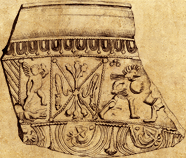
There was a large number of different types of gladiator. Some were heavily-armed gladiators who wore helmets and carried large shields. Lightly-armed gladiators tended to have only small shields, if any, and did not have head protection. They relied on speed and agility if they were fighting against a heavily-armed gladiator. There would have been medical people in attendance at the shows to treat cuts and major wounds and many gladiators would have died of their wounds rather than in the amphitheatre itself.
The numbers of gladiator shows would have been quite limited in the local amphitheatres. Only the big and lavish shows staged by the emperor in Rome would have been more regular. This was because the emperor wanted to keep the Romans living in Rome supporting him – it was a political move.


